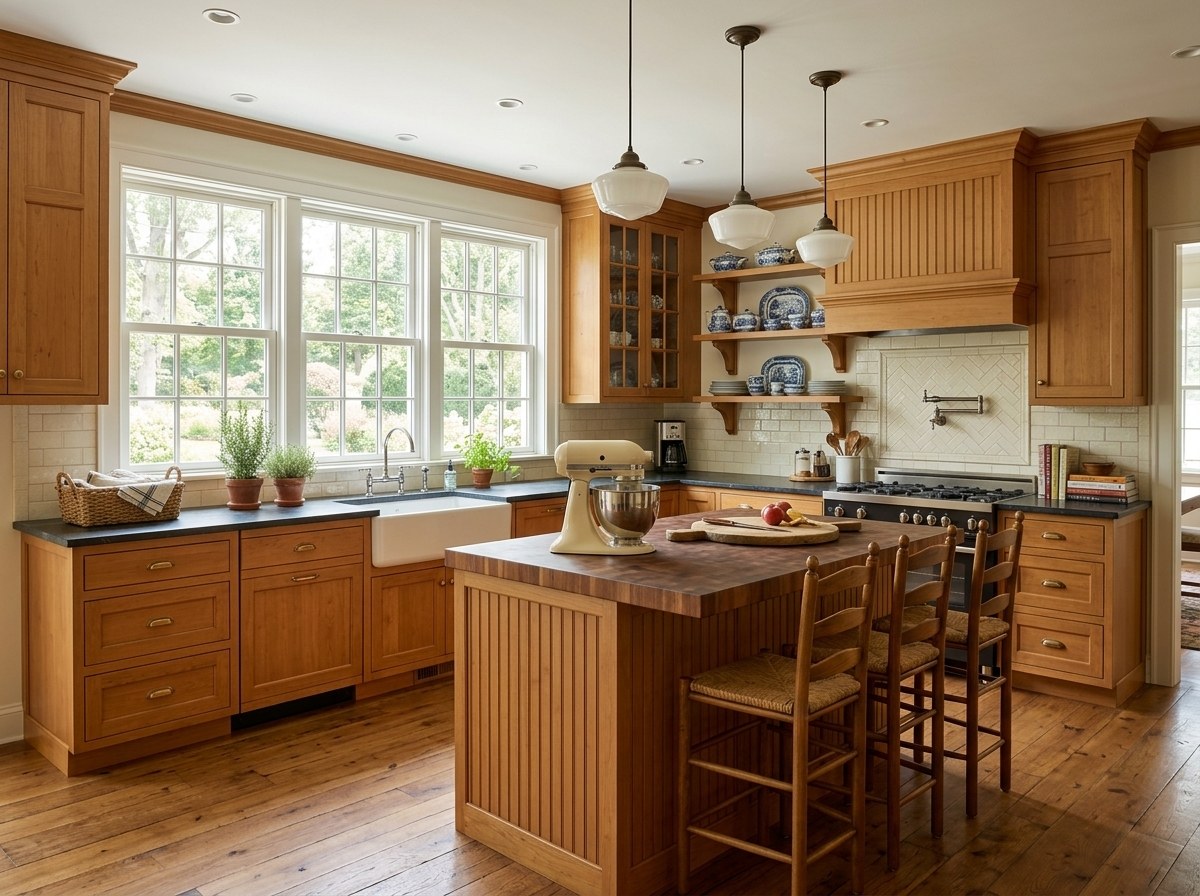
A new kitchen does not always mean new cabinets. Cabinet refacing keeps the existing boxes and replaces everything you see — doors, drawer fronts, hardware, and a new veneer or paint finish on the exposed frames. Done well it is indistinguishable from a replacement at roughly half the price. Done on the wrong kitchen it is money set on fire. The difference is entirely in the boxes.
What refacing actually includes
- New doors and drawer fronts, in any style or finish you would get on new cabinetry
- Matching veneer or paint on the face frames and exposed end panels
- New hinges, drawer slides, handles and knobs
- Optional interior upgrades — soft-close hardware, roll-out shelves, drawer organisers
What it does not include is any change to the layout. The sink stays where it is, the runs stay the same length, and a cabinet that was always too shallow stays too shallow.

Cost and timeline, side by side
- Refacing: $9,000–$22,000 for a typical Bay Area kitchen. Three to five days on site. The kitchen stays usable most of that time.
- New semi-custom cabinets: $22,000–$45,000. Six to ten weeks from order to installed, with the kitchen out of action for two to three of them.
- Full custom cabinetry: $40,000–$90,000+. Ten to sixteen weeks, and worth it when the room has awkward geometry to solve.
Refacing typically lands 40–60% below replacement for a comparable look, and it produces a fraction of the landfill waste.
When refacing is the right call
- The boxes are plywood or solid wood, square, and firmly attached to the wall
- The layout works and you are not moving plumbing or appliances
- You dislike the look — the colour, the raised panels, the 1990s golden oak — rather than the function
- You are preparing to sell and want maximum visible change per dollar
- You want it finished this month, not this quarter
When you should replace instead
- Particleboard boxes that have swollen — common under sinks and anywhere near a slow leak. A new door on a failing box is a temporary fix.
- You want to change the layout. Moving the sink, adding an island or removing a wall means new cabinetry regardless.
- Too few drawers. Deep base cabinets with a single shelf are the most common complaint we hear, and refacing cannot fix it.
- Water damage, sagging shelves or racked frames. If a door no longer closes square, the box has moved.
- Soffits you want gone. Taking a kitchen to the ceiling is a replacement job.
Check your boxes before you fall in love with a price. Open a door, look at the bottom of the sink cabinet, and press a corner of the frame. If it is solid and square, refacing will serve you well for another fifteen years.
The middle path most people miss
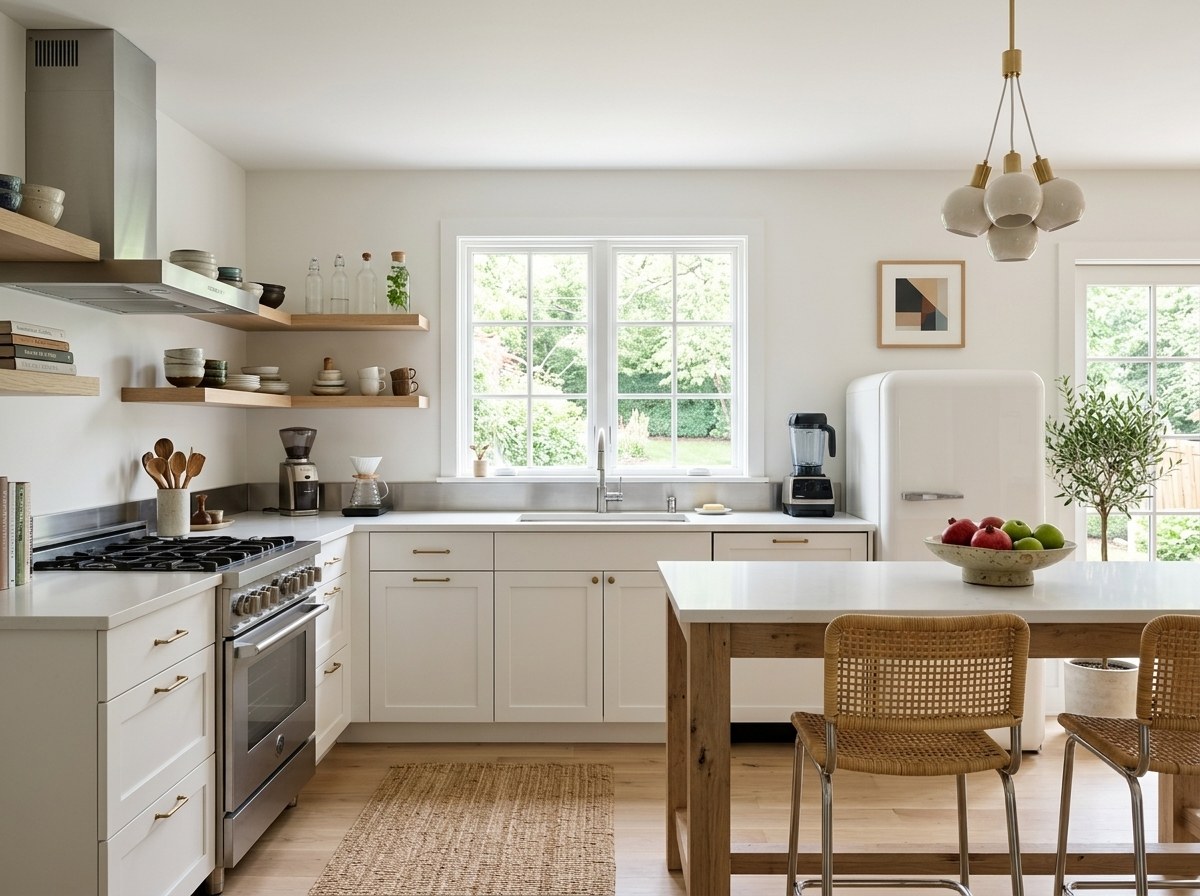
You do not have to choose one or the other for the whole room. A common and sensible plan is to reface the perimeter runs, which are usually fine, and build new for the island or a single wall where you want a different depth or a bank of drawers. You get the layout change where it matters and the saving everywhere else.
How to decide on your own kitchen
Photograph the room and try both finishes on your own walls with the free AI design preview — it takes a minute and settles most colour arguments. Then book a free on-site measure: we open the cabinets, check the boxes and tell you plainly which route your kitchen justifies, including when refacing is not worth doing. See what we cover and how the finished work looks in the project gallery.